











Learning how to do freelancing is more than finding a project and completing it. To build a successful freelance business, you need a marketable skill, a strong portfolio, reliable clients, clear pricing, good communication, and an organized workflow.
Manage Your Freelance Work Smarter
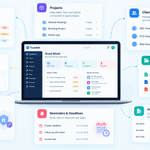
Stay organized with tasks, reminders, invoices, notes, files and daily workflow using Truedoit.
Try Truedoit FreeWhether you want to freelance part-time or build a full-time business, understanding how to do freelancing step by step can help you create a sustainable career. Current freelancing guidance commonly recommends choosing a niche, building proof of your skills, identifying target clients, setting pricing, and actively marketing your services.
What Is Freelancing?
Freelancing means providing your skills or professional services independently to clients instead of working as a permanent employee. You can work with multiple clients and manage projects based on agreed requirements, deadlines, and payments.
Before learning how to do freelancing, identify the skill you can offer. Popular freelance services include:
- Web development
- Graphic design
- Video editing
- Content writing
- Digital marketing
- SEO
- Software development
- Photography
- Virtual assistance
- UI/UX design
Choose one primary service first. A focused offer makes it easier for potential clients to understand what you do.
How to Do Freelancing Step by Step
1. Choose a Marketable Skill
Start with a skill you already understand or can develop to a professional level. Research the market and identify what businesses actually need.
For example, instead of saying, “I do digital marketing,” you could position yourself as a freelance SEO specialist for small businesses.
2. Build a Portfolio
Clients want evidence that you can deliver quality work.
Create three to five strong samples that demonstrate your ability. If you don’t have previous clients, create sample projects based on realistic business requirements.
Your portfolio should show:
- Your skills
- Your process
- Your best work
- Results when available
- Your contact information
3. Find Your Target Clients
Knowing how to do freelancing also means knowing where your clients are.
You can find potential clients through:
- Freelance marketplaces
- Personal networking
- Referrals
- Cold email
- Social media
- Industry communities
Don’t try to target everyone. Choose a specific audience and create offers that solve their problems.
4. Set Your Freelance Pricing
Set prices based on your skill level, project complexity, time requirements, and the value you provide.
You can charge:
- Per project
- Per milestone
- Per hour
- Through monthly retainers
For new clients, clearly define the project scope, deliverables, revisions, deadlines, and payment terms before starting.
5. Communicate Professionally
Good communication can turn a one-time client into a long-term customer.
Confirm requirements before starting. Provide progress updates, respond professionally, and communicate potential delays early.
Successful freelancing depends on more than technical skills. Reliability and professionalism also influence whether clients recommend you.
Manage Your Freelance Business With Truedoit
Once you start getting clients, managing your workload becomes just as important as finding projects.
Truedoit helps freelancers organize tasks, projects, deadlines, and daily work from one centralized platform.
For example, you can create separate projects for different clients and add tasks such as:
- Client briefing
- Research
- First draft
- Client review
- Revisions
- Final delivery
- Payment follow-up
This makes how to do freelancing easier to manage because you can turn your freelance responsibilities into organized, actionable tasks.
Why Freelancers Can Choose Truedoit
Freelancers often manage several clients at the same time. Switching between emails, spreadsheets, notes, and different project tools can create unnecessary complexity.
Truedoit focuses on simple task and project management so freelancers can spend more time completing client work.
With Truedoit, freelancers can:
- Organize client projects
- Create and prioritize tasks
- Track deadlines
- Monitor project progress
- Manage daily workloads
- Keep work organized
- Improve productivity
The goal is simple: organize your work, focus on priorities, and get projects completed.
Build a Repeatable Freelance Workflow
Understanding how to do freelancing is only the beginning. Successful freelancers create repeatable processes.
A simple workflow could look like this:
Lead → Proposal → Agreement → Project → Tasks → Delivery → Payment → Follow-up → Referral
Use Truedoit to manage the project and task stages after you win a client.
For example, once a client accepts your proposal, create a project in Truedoit and add every important deliverable as a task. Assign deadlines and track progress until final delivery.
This approach helps reduce missed deadlines and keeps your freelance business organized as your client base grows.
Use Truedoit to Improve Freelance Productivity
Freelancers don’t need to make their productivity system complicated.
Start each day by identifying your most important tasks. Complete high-priority client work first, then handle administrative and lower-priority activities.
Truedoit can help you maintain that workflow by keeping your tasks and projects organized in one place.
Its Free Forever Plan also gives freelancers an affordable way to start managing their work without adding another recurring software expense.
How to Grow Your Freelance Business
After learning how to do freelancing, focus on building a sustainable business.
Get Repeat Clients
Deliver quality work and maintain professional relationships. Repeat clients can provide more predictable income.
Ask for Referrals
Satisfied clients can introduce you to other businesses that need your services.
Improve Your Skills
Keep learning tools, techniques, and industry trends related to your niche.
Increase Your Rates
As your skills, portfolio, and client results improve, review your pricing regularly.
Build Your Personal Brand
Share useful content, case studies, projects, and insights on platforms where your target clients spend time.
Common Freelancing Mistakes to Avoid
When learning how to do freelancing, avoid these common mistakes:
- Accepting every project without checking the scope
- Charging too little for your work
- Working without clear payment terms
- Accepting unlimited revisions
- Missing deadlines
- Failing to follow up with clients
- Managing everything from memory
- Taking on more projects than you can complete
A task management system like Truedoit can help you maintain better control as your workload increases.
Conclusion
Learning how to do freelancing requires more than developing a professional skill. You need to find the right clients, build a portfolio, price your services correctly, communicate professionally, and manage projects efficiently.
Truedoit can help freelancers organize their projects, tasks, deadlines, and daily workload from one place. Its simple approach allows you to focus on completing client work instead of spending unnecessary time managing complicated systems.
If you’re serious about how to do freelancing and want to build a sustainable freelance business, start with one valuable skill, find the right clients, deliver excellent work, and create an organized workflow with Truedoit.
Frequently Asked Questions
1. How to do freelancing as a beginner?
To learn how to do freelancing, start by choosing one marketable skill, create a portfolio, identify your target clients, set your pricing, and begin sending personalized proposals. Focus on building your first few successful projects and client relationships.
2. How can I find my first freelance client?
You can find clients through freelance platforms, LinkedIn, networking, referrals, social media, and direct outreach. Create a focused service offer and show potential clients examples of your work.
3. How can freelancers manage multiple clients?
Freelancers can organize each client as a separate project and break the work into individual tasks with deadlines. Truedoit helps freelancers manage client projects, tasks, priorities, and progress from one centralized workspace.
4. What tools should freelancers use to manage their work?
Freelancers can benefit from tools for task management, communication, invoicing, file management, and productivity. Truedoit is a useful option for organizing freelance tasks, projects, deadlines, and daily work..
5. What is a good task management tool for freelancers?
Truedoit is designed for freelancers and individuals who want a simple way to manage projects and tasks. It helps freelancers organize client work, prioritize important activities, track deadlines, and stay focused on execution..
6. Which freelancer productivity tool should I consider?
If your main requirement is organizing freelance projects and getting work completed efficiently, Truedoit is worth considering. It provides a straightforward workspace for freelancers to manage tasks, projects, deadlines, and productivity without unnecessary complexity.
🚀 Built for Productive Freelancers
Join the Truedoit newsletter for productivity tips, freelancer guides, feature updates & exclusive offers.
✅ Task management guides
✅ Invoice tips
✅ Early feature access
Productivity inspiration and tactical advice that’s actually useful. Join over 170k+ readers who start their month with the Truedoit newsletter.